
Climate Change & Eczema: Why Your Skin Flares When the Planet Heats Up
Is climate change making your eczema worse? We break down the link between pollution, extreme weather, and skin flares. Plus, find practical, evidence-based tips to protect your skin. Climate Change & Eczema
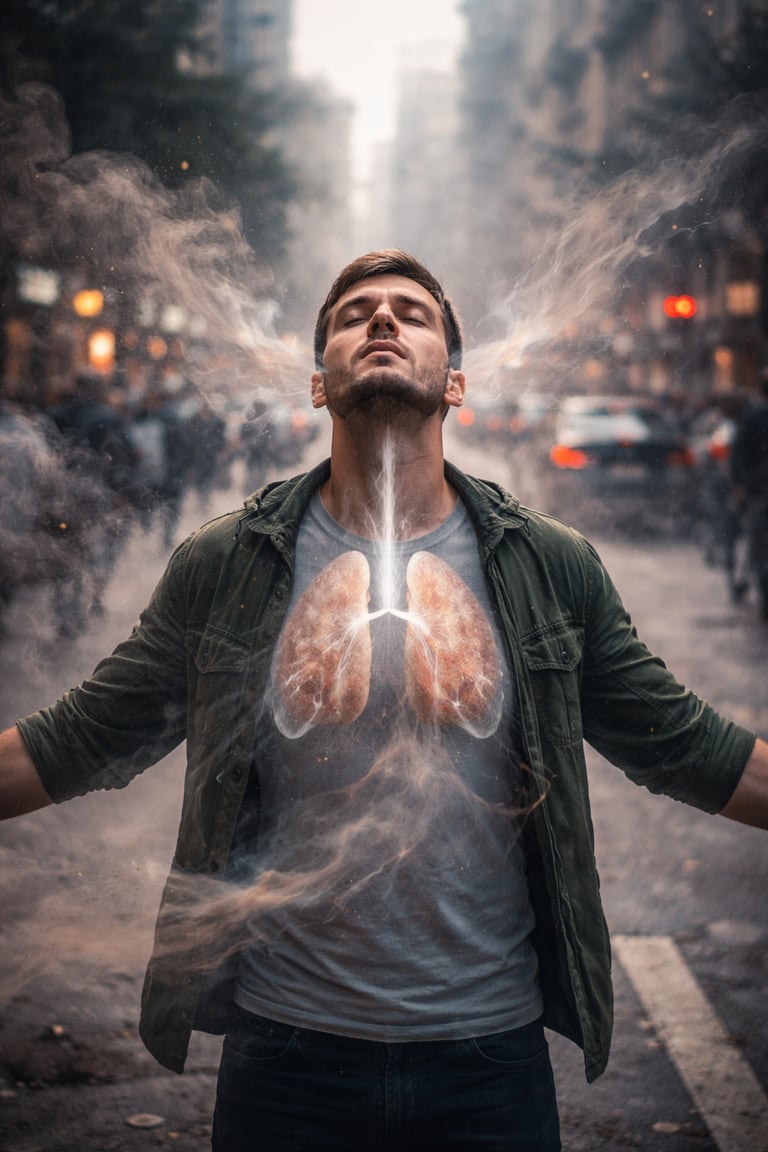

If you live with atopic eczema (also known as atopic dermatitis), you probably already know the classic triggers: stress, certain soaps, or that one wool sweater that feels like sandpaper. But what if the very air outside your window is turning into a trigger? In recent years, scientists have discovered a powerful and often overlooked link between our changing climate and our largest organ: the skin.
This isn't just about having a "bad skin day." Research shows that the environmental shifts caused by climate change—from wildfire smoke to scorching heat waves—are making eczema worse for millions of people. Whether you are a teenager dealing with itchy patches or an adult who suddenly developed sensitive skin, understanding this connection is the first step to fighting back.
In this article, we’ll break down the science into simple terms. We’ll look at how your skin is built, why climate stress breaks it down, and most importantly, what you can actually do about it to stay comfortable no matter what the weather does.
The Perfect Storm: When Your Skin’s Defenses Meet Climate Stress
To understand why climate change is such a problem for eczema, we need a quick, simple lesson in skin architecture. Think of your skin not just as a covering, but as a high-performance raincoat and security system rolled into one.
Your Skin’s Raincoat: The Barrier Function
The top layer of your skin, called the stratum corneum, is like a brick wall.
The Bricks: These are skin cells called keratinocytes. They are packed with a tough protein called keratin and a natural moisturizing factor.
The Mortar: This is a mix of lipids (fats) like ceramides, cholesterol, and fatty acids. This "mortar" holds the bricks together and keeps water in and invaders out.
In healthy skin, this wall is strong. It keeps hydration locked in and bacteria, allergens, and pollution out.
What Goes Wrong in Eczema?
For someone with eczema, this wall is leaky. Often, this is due to a genetic issue. Imagine your body is building that brick wall but runs out of cement mix.
A common culprit is a gene that helps produce a protein called filaggrin.
Normal Situation: Filaggrin is like the factory worker that breaks down into the "mortar" and natural moisturizers. It keeps the skin plump and sealed.
In Eczema: If you have a "loss-of-function" mutation in the filaggrin gene, your factory workers are lazy. They don't produce enough materials. As a result, your skin barrier is like a wall with crumbling mortar. It loses water (leading to dryness) and lets irritants in (leading to inflammation and itching).
Now, imagine throwing a hurricane, a heatwave, or a cloud of car exhaust at that already crumbling wall. That’s the reality of climate change and eczema. The environmental stressors don't cause the initial genetic weakness, but they pour gasoline on the fire.
The Usual Suspects: How Climate Triggers Wreak Havoc on Your Skin
Let’s look at the specific ways our changing environment attacks that weakened skin barrier.
1. Air Pollution: The Invisible Irritant
If you live in a city, you are breathing in a cocktail of pollutants. The two biggest troublemakers for your skin are Particulate Matter (PM) and Nitrogen Dioxide (NO2).
What it is: PM2.5 and PM10 are microscopic particles. To give you an idea, PM2.5 is about 30 times smaller than the width of a human hair. They come from car exhaust, factory smoke, and wildfires.
How it attacks:
Penetration: Because your skin barrier is already weak (like that crumbling wall), these tiny particles can penetrate deep into your skin through hair follicles or directly between cells.
Oxidative Stress: Once inside, these pollutants create "oxidative stress." Think of it like rust forming on a car. They create unstable molecules called free radicals that damage your skin cells' DNA and membranes.
Inflammation: This damage signals your immune system to attack, releasing chemicals that cause redness, itching, and inflammation—a full-blown eczema flare.
The Evidence: Large-scale studies have confirmed that for every small increase in air pollution, there is a measurable rise in eczema-related doctor visits.
2. Temperature Extremes: Too Hot, Too Cold
Global warming doesn't just mean hotter summers; it means more extreme and unpredictable weather. Both ends of the thermometer are bad news for eczema.
When it’s Cold and Dry:
The Problem: Cold air holds less moisture. When you step outside, you are essentially pulling moisture out of your skin. Indoors, central heating dries the air out even more.
The Effect: This low humidity increases what dermatologists call transepidermal water loss (TEWL). It’s the water escaping from your skin. As the skin dries out, it cracks, itches, and becomes even more porous to irritants. This is why many people experience "winter itch."
When it’s Hot and Humid:
The Problem: Heat makes you sweat. For healthy skin, sweat is cooling. For eczema skin, sweat can be an irritant because it contains salt and minerals.
The Effect: Sweat sits on the skin and evaporates, which can actually dry it out further. It also creates a sticky environment where Staphylococcus aureus bacteria love to grow. These bacteria can cause infections and make eczema much worse. Plus, the itch sensation itself is directly tied to skin temperature—getting too hot can trigger the nerve fibers that make you want to scratch.
3. Pollen: The Sneezing Season Trigger
You might associate pollen with hay fever, but it’s a major player in eczema and allergies.
The Climate Link: Rising CO2 levels and warmer temperatures are making plants grow faster and produce more pollen. Pollen seasons are starting earlier and lasting longer.
How it Works: For some people with eczema, particularly the type that affects the head and neck, pollen lands on the skin. Because the skin barrier is weak, the pollen proteins can get in and trigger an allergic reaction right there in the skin, causing a flare.
4. Extreme Weather Events
Hurricanes, floods, and thunderstorms are becoming more frequent.
Thunderstorms: During a storm, pollen grains can absorb water and explode into tiny, fine particles that are small enough to penetrate the skin much easier than whole pollen grains.
Flooding: Floodwaters are full of chemicals, sewage, and bacteria. Prolonged exposure to contaminated water can lead to severe skin infections and irritant contact dermatitis, especially in children.
Who Is Most at Risk? It’s Not Just Genetic
While your genes play a role, your environment and lifestyle can tip the scales.
Children Are on the Frontline
Kids are not just little adults. Their skin barrier is not fully developed for the first few years of life. An infant's stratum corneum is about 30% thinner than an adult's. This means pollutants and irritants can penetrate much more easily. Their developing immune systems are also more vulnerable to being skewed toward allergic responses. This is why protecting children from air pollution and extreme weather is critical for preventing the development and severity of eczema early on.
The Stress Factor
Living with the anxiety of climate change—sometimes called "eco-anxiety"—or dealing with the stress of a natural disaster can also make your skin worse. Stress releases hormones like cortisol, which can directly increase inflammation in the body and throw the immune system off balance, leading to more itching and scratching. It creates a vicious cycle: stress makes you itch, itching stresses you out.
Defending Your Skin: A Practical Guide to Climate-Adapted Skincare
Okay, the situation sounds dire, but don't lose hope. While we can't single-handedly fix the climate overnight, we can build a fortress around our skin. The goal is to reinforce that "brick wall" so it can better withstand the environmental assault. Here is your evidence-based action plan.
1. The Unbreakable Rule: Barrier Repair
If you do nothing else, do this. Using the right moisturizer isn't just about feeling soft; it's medical treatment.
What to use: Look for creams and ointments (not lotions) that contain ceramides, fatty acids, and cholesterol—the exact "mortar" your skin is missing.
How it works: Slathering on a good moisturizer immediately after a shower "seals" the water into your skin, reducing TEWL. It fills in the microscopic cracks in your barrier, making it harder for pollutants and allergens to get in.
How long it takes: You should see an improvement in dryness and comfort within a few days, but barrier repair is an ongoing process that requires consistent, daily care to maintain.
Trade-offs: Thick ointments can feel greasy. They might stain clothes. But for many, the protection they offer is worth the minor inconvenience.
2. Become a Weather Detective
You can't control the weather, but you can control your reaction to it.
Check the Data: Use weather apps not just for rain, but for air quality (AQI), pollen counts, and humidity levels.
When AQI is high: Limit time outdoors. Keep windows closed. Consider using a high-efficiency particulate air (HEPA) filter indoors to clean the air in your home.
When it’s cold: Keep showers lukewarm (hot water strips oils) and short. Apply moisturizer within three minutes of getting out.
When it’s hot: Shower after sweating. Use a clean towel to gently pat sweat dry rather than letting it evaporate and irritate the skin.
3. The Clean Slate: Showering with Purpose
After a day outside in polluted air, that grime isn't just dirt—it's stuck to your skin.
The Strategy: Shower at night. This physically removes the PM2.5 particles, pollen, and pollutants that have accumulated on your skin throughout the day.
The Method: Use lukewarm water and a gentle, fragrance-free cleanser. Fragrance is a common irritant that can undo all your hard work. Afterward, immediately follow up with your barrier repair moisturizer.
4. Gear Up: Physical Protection
Sometimes, the best defense is a good offense.
Barrier Creams: Before heading out into polluted or cold air, some people benefit from a dedicated "barrier cream" that sits on top of the skin to provide an extra layer of protection.
Clothing: Physical barriers like gloves in the winter or long, loose, breathable cotton sleeves in the summer can protect your skin from direct contact with pollen, pollution, and sun.
Who Should Consider This Advanced Protection?
City Dwellers: If you live in a high-traffic, urban environment, investing in an air purifier and a good cleansing routine is a must.
Outdoor Workers/Enthusiasts: If you exercise or work outside, you need a plan for showering and moisturizing immediately afterward.
Parents of Young Children: Given their thinner skin, creating a protective skincare routine for kids is a powerful way to help them stay comfortable.
The Future of Eczema Care
Looking ahead, the field of dermatology is evolving to meet these challenges. We are seeing the rise of "climate-resilient" skincare and even the use of technology like wearable UV monitors to help people manage their exposure in real-time. On a broader scale, public health policies aimed at cleaning up the air we breathe aren't just good for the planet—they are a prescription for healthier skin for everyone.
Conclusion: Your Skin is a Barometer for the Planet
The link between climate change and eczema is a powerful reminder that we are not separate from our environment. The health of our skin is deeply connected to the health of the world around us.
While the rising rates of pollution and extreme weather present a new and challenging frontier for eczema sufferers, knowledge is power. By understanding that your eczema isn't "all in your head" but is a physical reaction to a changing world, you can take targeted action. You can rebuild your skin's defenses, adapt your daily habits, and create a personal environment where your skin can breathe easy. The climate may be changing, but with the right knowledge, your ability to manage your eczema can become stronger than ever.